Protection of Children and Adolescents
Child and Adolescent Protection
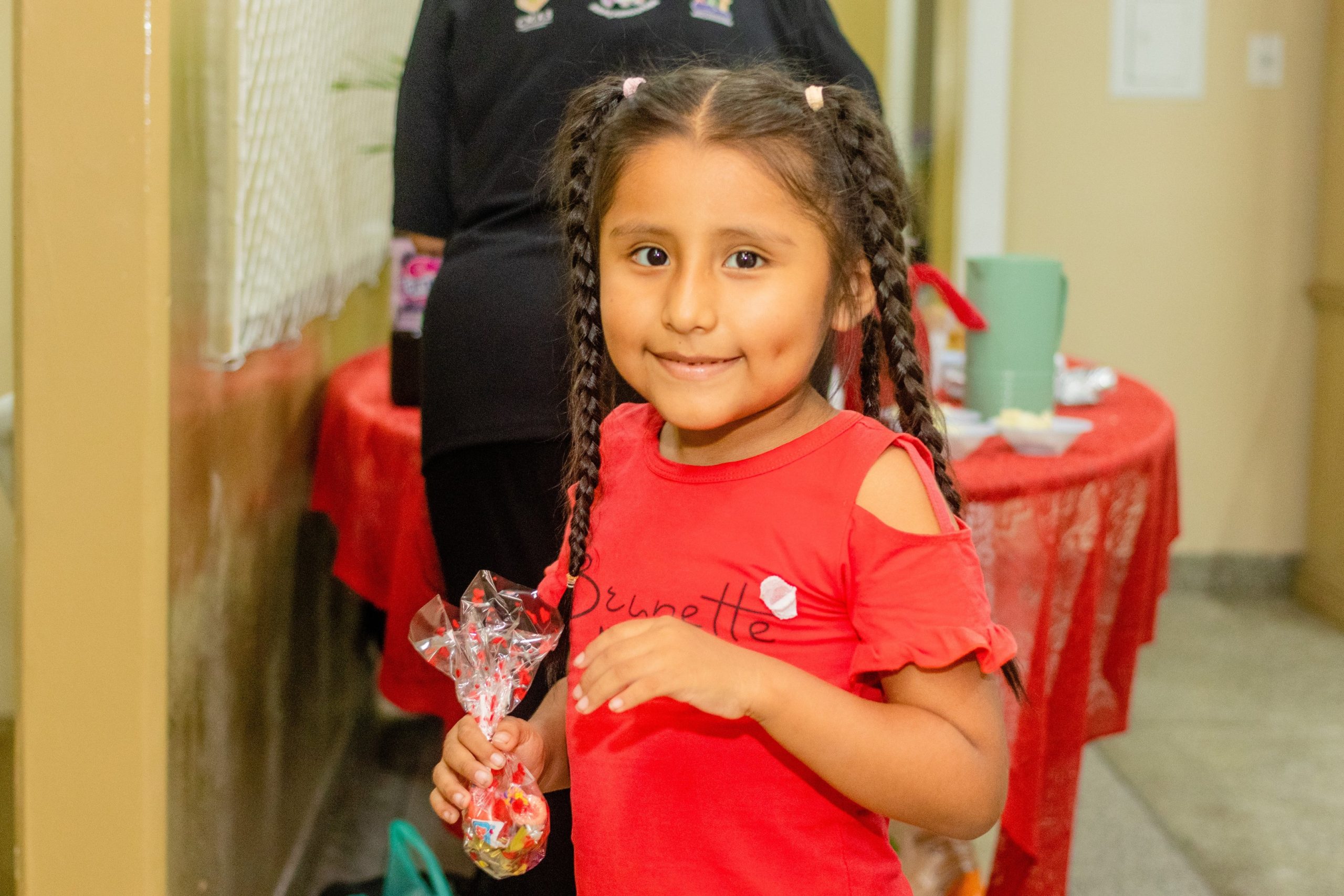
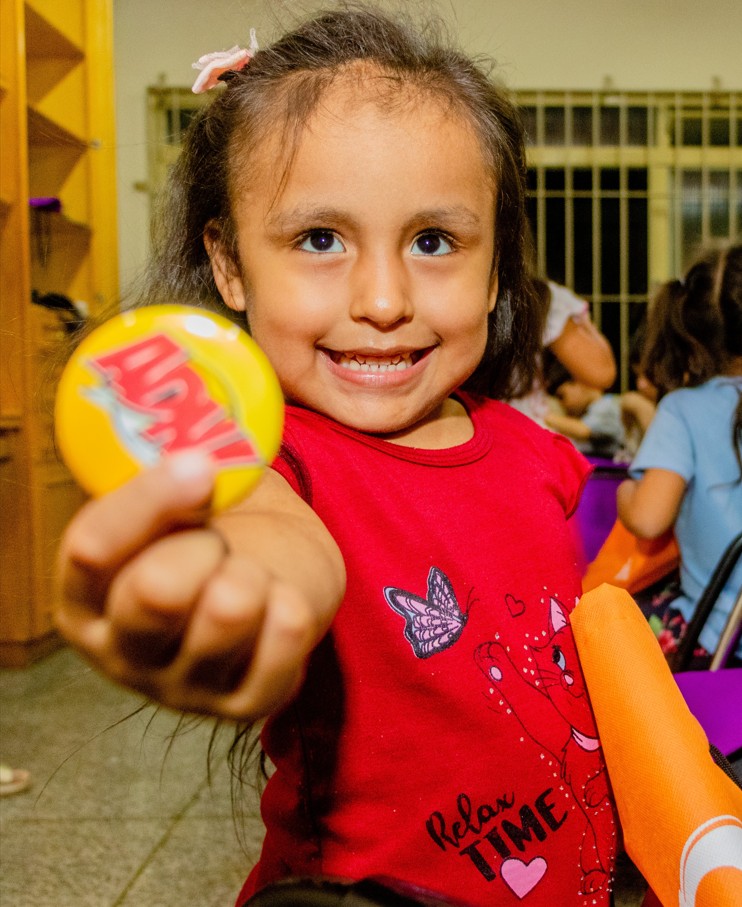
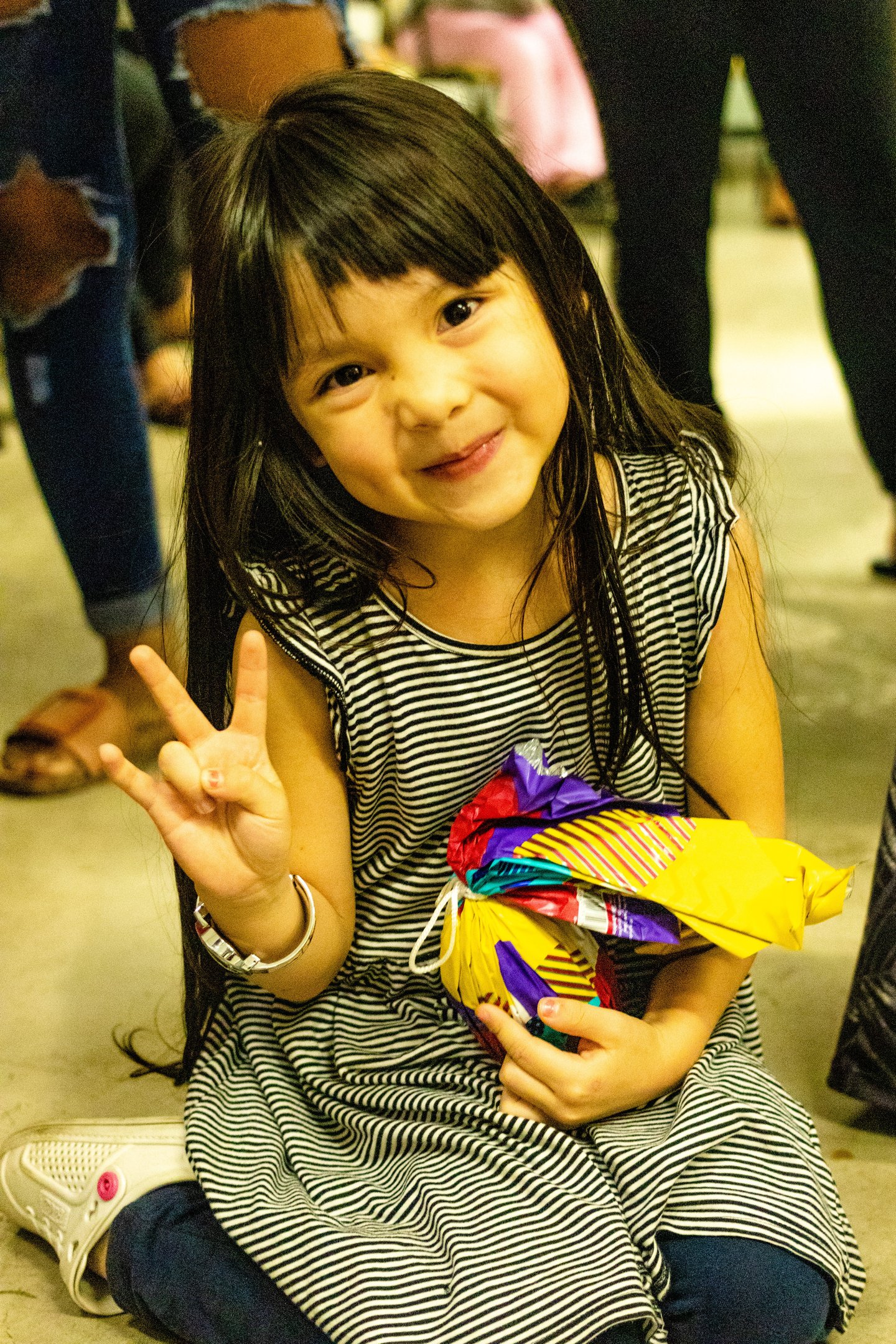
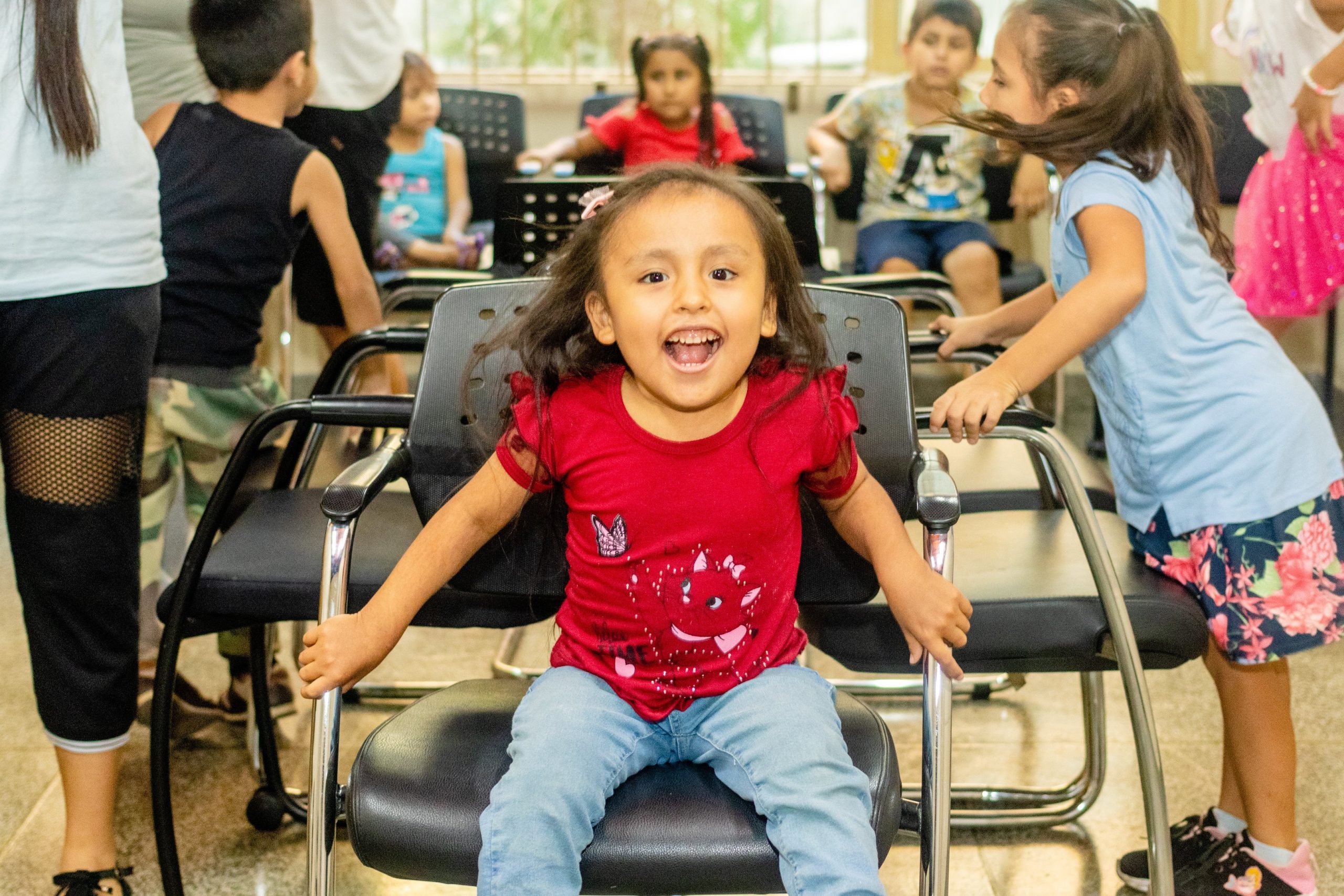
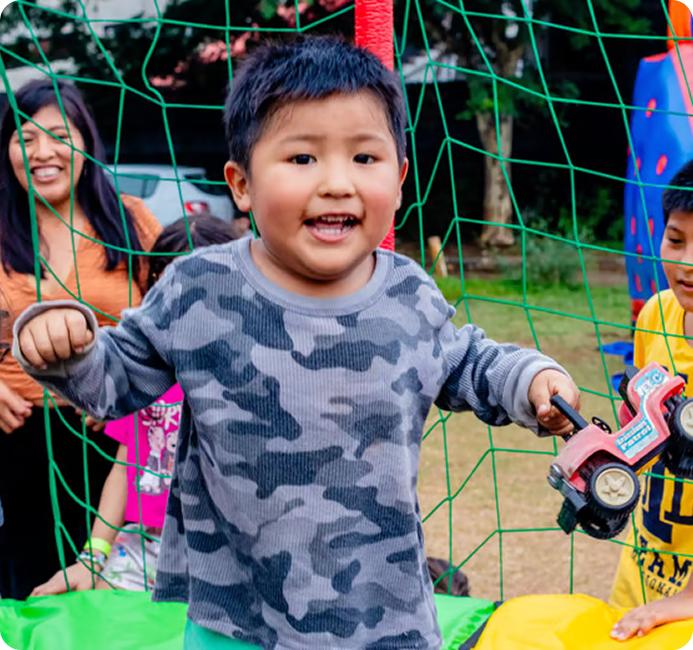
The CASA Association’s Program for Protection Against the Abuse and Sexual Exploitation of Children and Adolescents seeks to address complex social problems, with a focus on protecting children and adolescents, as well as promoting the social and economic integration of migrant and refugee families. The Program’s main initiatives include:
– Training and mobilization of rights councils, social organizations, and churches in defense of citizenship and the fundamental rights of children and adolescents at risk.
– Preventive and educational actions against the abuse and sexual exploitation of children and adolescents.
– Assistance to migrants and refugees, focusing on document regularization, cultural integration, professional training, access to health, education, and housing.
– Networking, connecting public and private entities to amplify the impact of actions.
PIX OR BANK TRANSFER
Be a part of CASA's actions.
Deposit or Transfer
BRADESCO BANK – CENTRO DE APOIO SÓCIO ASSISTENCIAL
ASSOCIAÇÃO CASA
AG.0527-4 – São Roque
C/C. 70016-9
CNPJ: 49.826.326/0001-61
Donations via PIX
CNPJ: 49826326000161
PROTECTION
Addressing the Abuse and Sexual Exploitation of Children and Adolescents
Community capacity:
Conducting workshops, discussion groups, and educational activities for families, using playful materials such as "Pipo and Fifi" and "Learning to Say No".
Community actions:
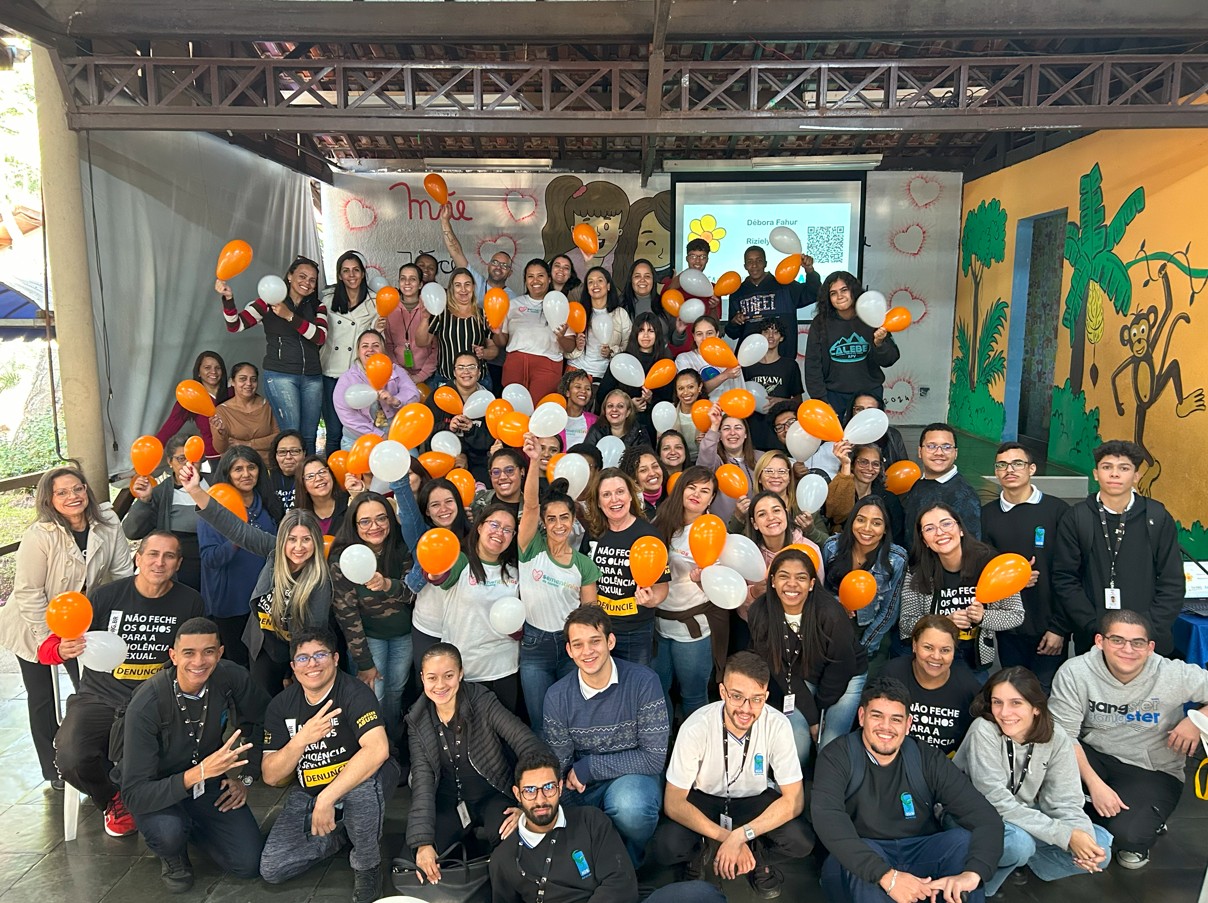
Promoting public events, such as lectures and workshops in places like CEU Paz and the Gusmão dos Santos Institute, that emphasize positive parenting and abuse prevention.
Awareness and sensitization:
Distribution of educational materials and informational leaflets, as well as the promotion of campaigns such as "May 18th" to mobilize society.
Each action within the Child and Adolescent Sexual Abuse and Exploitation Protection Program is carefully planned, relying on trained teams, educational materials, and continuous evaluations to adjust strategies and amplify impact. Success indicators include community participation, dissemination of information, and strengthening homes as safe spaces.