My name is Maria S. My husband, three of our five children, and I have been living in Brazil since 2021. We left the city of Maracaibo, Venezuela, due to the worsening humanitarian crisis in the country. However, the main reason for our journey was our daughter, who suffers from cerebral hypoxia, a condition that caused permanent brain damage, leaving her completely dependent on family care.
It was not easy to make this decision, as my husband, my children, and I no longer had jobs, financial resources, or anyone to guide us at that time. In Venezuela, before the crisis, my husband worked as a mechanic, and I owned a small fruit market.
Our daughter was becoming more vulnerable and sicker each day, and the country no longer offered adequate medical care for her condition. Here in Brazil, she has been receiving good treatment through the public healthcare system, although she still depends entirely on our family’s care to survive.
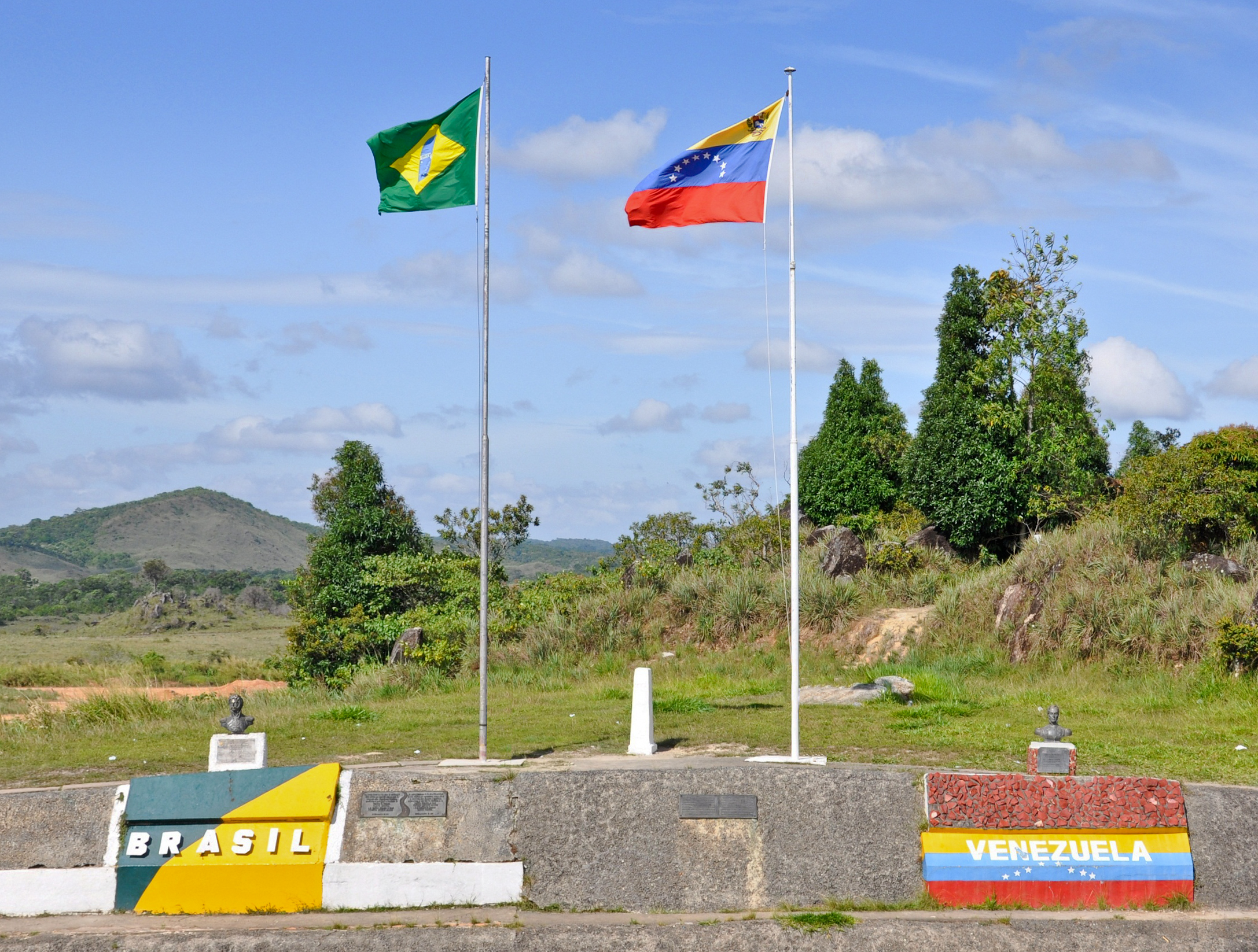
We crossed the border between Venezuela and Brazil in our own car, which we sold as soon as we arrived in Pacaraima, Roraima, where we stayed for three months in a UNHCR shelter. The city was overcrowded with migrants, all searching for work, which was extremely scarce. I managed to find a cleaning job, and we saved enough money to pay for a bus to Porto Belo, where we then bought plane tickets to São Paulo.
When we arrived in São Paulo, we had nowhere to go. We thought about going to a bus terminal as a temporary shelter until we could find a place to live. That’s how we ended up at the Barra Funda terminal, where we stayed for three days in a room with all our belongings. My daughter remained in her wheelchair the entire time, very weak and increasingly ill.
A man, also from Venezuela, saw us in that situation and, realizing we were fellow Venezuelans, approached us and explained how to rent a house in Brazil. I stayed at the terminal with my daughter while my husband and son went around the city searching for a place.
One day, a woman offered us her house to stay in until we found our own. At first, I was afraid, but after talking to my family, we decided to accept. We stayed there until we were able to rent a house in the Eliza Maria neighborhood.
I met Associação CASA in 2023 when, during an appointment with SASF – the Social Assistance Service for Families – the social worker told me: “Look, there’s Associação CASA; they help migrants.” Since it was December, I participated in the Christmas Dinner and was warmly welcomed. I felt that a part of my country was there with me.
To this day, I participate in the activities, not only as a beneficiary but also as a volunteer in family gatherings. I am deeply grateful for the way we were received at Associação CASA.